
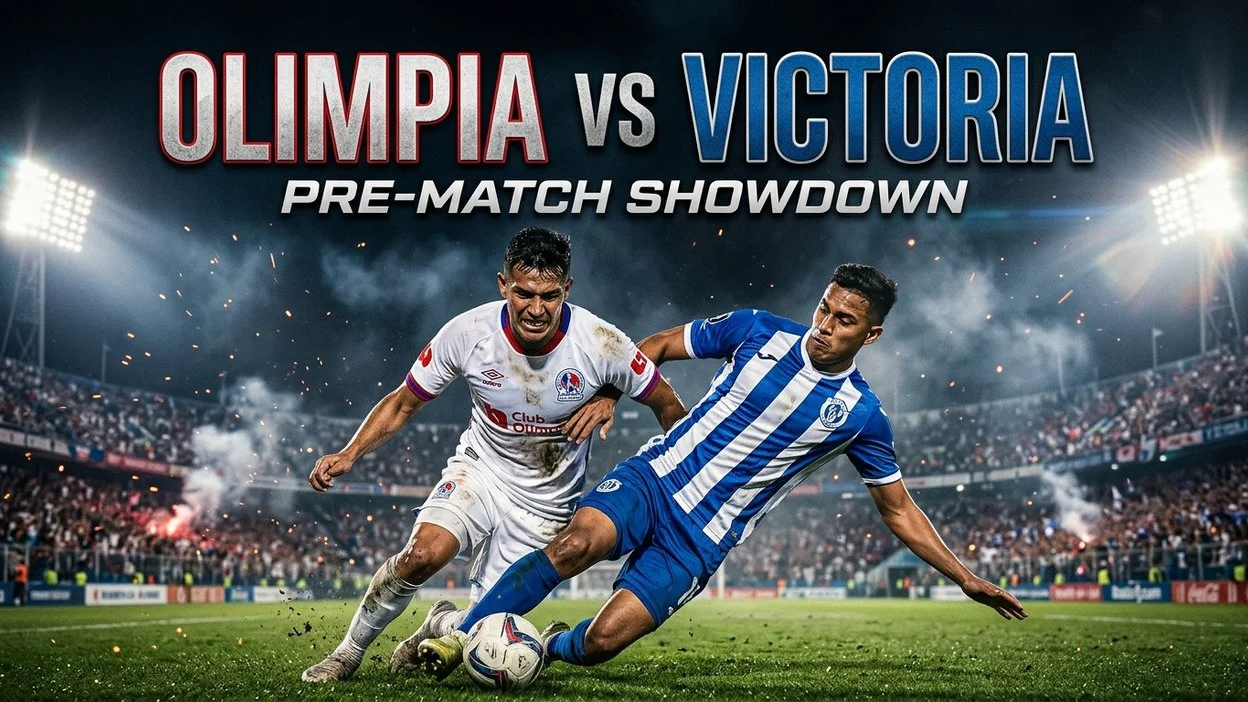
The difference between Olimpia and Victoria depends on the context in which these words are used. They may appear as names of people, places, sports teams, or other proper nouns. In Spanish and some other languages, Victoria is also a word associated with victory or success, while Olimpia is commonly used as a name connected with the ancient Greek world and the Olympic tradition. Understanding their meanings helps readers interpret them correctly.
If you have seen “Olimpia vs. Victoria” in a sports fixture, a search result, a news headline, or a conversation, the exact meaning depends on which Olimpia and Victoria are being discussed. In a match, the names may refer to two competing teams. In another context, they may identify two people, organizations, or locations. This guide explains the words in simple English, compares their uses, and provides practical examples to help students, ESL learners, and general readers understand the difference.
Quick Answer: Olimpia vs. Victoria
Olimpia is generally a proper name used for people, places, or organizations, often associated with the ancient Greek world. Victoria is also a proper name, but it additionally means “victory” in Latin-derived usage and in Spanish. In a sports matchup, the words identify the competing sides; their precise identities depend on the context.
Why Do People Confuse Olimpia and Victoria?
People may confuse these terms because both can appear as names in headlines, sports schedules, and online searches. The word “vs.” means “versus” and indicates a comparison or competition between two sides.
For example:
- Olimpia vs. Victoria: A matchup or comparison involving two entities with these names.
- Olimpia: A name that may refer to a person, place, team, or organization.
- Victoria: A name that may refer to a person, place, team, or organization, as well as the idea of victory.
The important point is that the words do not automatically refer to the same type of thing. You need the surrounding information to identify their exact meanings.
First Word: What Does Olimpia Mean?
Olimpia is a proper noun used as a name in several languages. It is associated with Olympia, the ancient Greek sanctuary where the ancient Olympic Games were held.
The name may be used for:
- A person named Olimpia.
- A sports club or team.
- A city, town, or other location.
- A business, institution, or organization.
In sports, Olimpia may identify a club competing against another team. The country, league, and competition help determine which club is meant.
Example: “Olimpia will play against Victoria on Saturday.”
This sentence tells us that two sides are competing, but it does not identify their league, location, or match result.
Second Word: What Does Victoria Mean?
Victoria is a proper name used for people, places, teams, and organizations. It is derived from the Latin word victoria, meaning “victory.”
The word can have several uses:
- Personal name: Victoria is a common feminine given name.
- Place name: Victoria is the name of various cities, regions, and other geographical locations.
- Sports name: A club or team may use Victoria as its name.
- General meaning: In Latin-derived contexts, victoria refers to winning or achieving success.
Example: “Victoria won the final match.”
Here, Victoria could be the name of a team. The sentence does not mean that the word itself is the name of the result; it identifies the side that achieved the win.
Olimpia vs. Victoria: Comparison Table
| Feature | Olimpia | Victoria |
| Word type | Proper noun | Proper noun; also a word with a general meaning |
| Common use | People, places, clubs, organizations | People, places, clubs, organizations |
| Word origin or association | Associated with Olympia and the ancient Greek Olympic tradition | Derived from Latin victoria, meaning victory |
| Use in sports | May identify a competing team | May identify a competing team |
| General English meaning | Usually interpreted as a name | Associated with victory or success |
| Capitalization | Capitalized when used as a name | Capitalized when used as a name |
| Meaning in a fixture | Identifies one side | Identifies the other side |
The key difference is that Olimpia is primarily used as a name, while Victoria can function as both a name and a word associated with winning. However, when both words identify sports teams, their grammatical role in the fixture is the same.
When Should You Use Olimpia or Victoria?
Use each word according to the person, place, organization, or concept you want to describe.
When to use Olimpia
Use “Olimpia” when referring to a person, organization, location, or sports club with that name.
Examples:
- “Olimpia is preparing for its next game.”
- “We visited a place named Olimpia.”
- “Olimpia scored the opening goal.”
When to use Victoria
Use “Victoria” when referring to a person, organization, location, or team with that name. In a suitable linguistic context, the related word can also refer to victory.
Examples:
- “Victoria is my friend’s name.”
- “Victoria scored twice in the match.”
- “The team celebrated its victory.”
Remember that a team’s name does not change simply because it wins or loses. The name identifies the team, while the words “win,” “loss,” and “victory” describe the result.
12 Examples of Olimpia vs. Victoria in Sentences
These examples demonstrate common grammatical uses. The match-related examples are illustrative, not reports of a specific real fixture.
- Olimpia vs. Victoria: The headline announces a match between two sides.
- Olimpia plays Victoria tomorrow. The sentence describes a scheduled contest.
- Victoria will face Olimpia this weekend. The wording presents the same matchup in reverse order.
- Olimpia scored the first goal. Olimpia is the subject of the sentence.
- Victoria defended well throughout the game. Victoria identifies a team.
- The Olimpia vs. Victoria match attracted attention. The phrase identifies the fixture.
- I want to know whether Olimpia or Victoria won. The speaker asks about the result.
- Olimpia and Victoria are proper names in this example. The sentence explains their grammatical use.
- Victoria is a popular given name in English-speaking countries. Victoria identifies a person’s name.
- The Latin word victoria means victory. The word is discussed as a vocabulary item rather than a team name.
- The players celebrated their victory after the final whistle. Here, “victory” is a common noun describing success.
- Olimpia and Victoria are competing for a place in the final. Both names identify sides in a hypothetical competition.
These examples show why context matters. The same spelling can appear in a sports headline, a person’s name, or a discussion of word meanings.
Common Mistakes When Using Olimpia and Victoria
English learners can avoid several common errors when writing or interpreting these terms.
Mistake 1: Assuming both words have identical meanings
Olimpia and Victoria are not interchangeable. They may both identify teams, but their names have different origins and associations.
Incorrect assumption: “Olimpia means victory.”
Better explanation: Olimpia is generally a name; Victoria is a name that is also associated with victory through its Latin origin.
Mistake 2: Treating “vs.” as part of a team name
The abbreviation “vs.” means “versus.” It indicates opposition, comparison, or competition.
Example: “Olimpia vs. Victoria” means Olimpia against Victoria, not one combined name.
Mistake 3: Forgetting capitalization
Capitalize both words when they identify specific people, teams, places, or organizations.
- Correct: “Victoria will play Olimpia.”
- Incorrect in ordinary name usage: “victoria will play olimpia.”
Mistake 4: Assuming the result from the order of the names
A headline does not tell you who won. “Olimpia vs. Victoria” identifies the sides, but it does not establish a winner, score, or home-team advantage.
Mistake 5: Confusing the name Victoria with the word victory
“Victoria” is a proper name, while “victory” is the ordinary English noun for winning.
- “Victoria scored the winning goal.”
- “The team celebrated its victory.”
What Is an Easy Memory Trick for Olimpia vs. Victoria?
Use this simple memory trick:
- Olimpia = a name.
- Victoria = a name associated with victory.
- Vs. = against.
Think of the phrase as “Olimpia against Victoria.” If you are reading a sports headline, first identify the teams. If you are studying vocabulary, consider whether Victoria is being used as a name or discussed for its meaning.
This method helps beginners understand the phrase without assuming that every use of either word refers to sports.
Olimpia vs. Victoria: American vs. British English
There is no major American-versus-British English spelling difference between the names “Olimpia” and “Victoria.” Both are proper names, and their spellings generally remain the same when referring to the same person, place, or organization.
The abbreviation “vs.” is widely understood in both varieties of English. In formal writing, “versus” may be preferred, depending on the style and context.
Examples:
- American English: “Olimpia vs. Victoria”
- British English: “Olimpia vs Victoria”
- Formal wording: “Olimpia versus Victoria”
Punctuation styles can vary by publication, so neither the presence nor absence of a full stop after “vs” necessarily changes the meaning.
Similar Words and Related Terms
Understanding these related terms makes it easier to interpret headlines and everyday English.
- Versus: Against or in opposition to another person or side.
- Victory: Success in a contest, competition, or struggle.
- Opponent: A person or team competing against another.
- Matchup: A contest between two people or teams.
- Fixture: A scheduled sports match, particularly in British English.
- Contest: An event in which people or teams compete.
- Olympia: A geographical and historical name associated with ancient Greece; it is related to, but not necessarily identical in use to, the spelling Olimpia.
- Champion: A person or team that wins a competition or holds a championship title.
For example, “Olimpia vs. Victoria” is a matchup, the two sides are opponents, and the winning side achieves a victory.
Final Verdict: Which Is Correct, Olimpia or Victoria?
Both “Olimpia” and “Victoria” are correct words when used as the names of the intended people, places, teams, or organizations. Neither is a replacement for the other.
Choose Olimpia when that is the proper name you mean. Choose Victoria when referring to the entity or concept intended by that name. If the phrase appears in a sports schedule, you need the relevant competition or location to identify the exact teams.
FAQs:
1. What is the difference between Olimpia and Victoria?
Olimpia is generally a proper name associated with people, places, and organizations. Victoria is also a proper name, but it additionally has a Latin-derived association with victory. Their exact meanings depend on context.
2. What does Olimpia vs. Victoria mean?
It means Olimpia against Victoria. The phrase commonly describes a sports matchup or another competition between two entities. It does not, by itself, identify the winner or the result.
3. Does Victoria mean victory?
Victoria comes from the Latin word victoria, which means “victory.” Today, Victoria is commonly used as a personal name and as the name of places, organizations, and teams.
4. Is Olimpia a sports team?
Olimpia is a name that can be used by sports clubs and other organizations. To determine which specific team is meant, you need additional information, such as its country, league, or sport.
5. Are Olimpia and Victoria both proper nouns?
Yes, when they identify particular people, places, teams, or organizations, both are proper nouns. The word victoria may also be discussed as a common vocabulary item in Latin.
6. Does Olimpia vs. Victoria tell us who won?
No. The phrase identifies the two competing sides but does not give the final score or result. A reliable match report or official fixture source is needed to establish who won a particular game.
7. Is “Olimpia vs. Victoria” grammatically correct?
Yes. It is a standard headline or fixture format. In a complete sentence, you could write, “Olimpia will play against Victoria,” or “Olimpia will face Victoria.”
Remember This
- Olimpia: Usually a proper name.
- Victoria: A proper name also associated with the concept of victory.
- Vs.: Means against or in competition with.
- Context: Helps identify the exact people, teams, places, or meanings.
- Result: Cannot be determined from the matchup phrase alone.
Conclusion:
The main difference between Olimpia and Victoria is their meaning and use. Both can function as proper names, but Victoria also has a well-established connection to the word “victory.” Olimpia is associated with the ancient Greek Olympic tradition and is used as a name for people, places, and organizations. Understanding these distinctions makes the phrase easier to interpret in everyday English.
For students and ESL learners, the simplest approach is to remember that “Olimpia vs. Victoria” means Olimpia against Victoria. When reading a sports headline, look for the competition, location, or full team names before drawing conclusions. When studying vocabulary, distinguish the name Victoria from the common English word “victory.” Context is the key to understanding both terms correctly.

Willow Evans writes uplifting fantasy stories filled with magical worlds, courageous heroes, and meaningful life lessons. Her imaginative books encourage creativity, kindness, and hope in readers of all ages.